Match the truck to the rack, pallet and working aisle
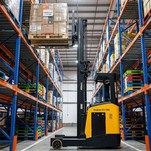
The 48V lithium-ion powered electric reach truck for high-racking is intended for indoor pallet handling where storage height and aisle efficiency matter. The published product range includes 1,600 kg and 2,000 kg rated-capacity options, with lift configurations up to 12,500 mm. The correct truck, however, is selected from the complete operating condition-not from rated capacity or maximum lift height alone.
For a reliable proposal, Xinghao reviews the pallet weight and dimensions, load center, top beam height, required fork height, clear aisle width, floor condition and daily duty cycle. These inputs determine the suitable capacity class, mast, battery and charger package. Final performance must be confirmed on the configuration-specific data sheet and residual-capacity chart.
Published capacity choices
Choose between the listed 1,600 kg and 2,000 kg capacity classes according to the load, load center and required lift height.
High-rack configurations
Lift configurations are published up to 12,500 mm. Mast height, free lift and closed height must be checked against the rack and building.
48V lithium power
A 48V lithium-ion power system supports an electric warehouse workflow. Battery capacity and charger specification are matched to shift demand.
What is defined-and what still needs engineering confirmation
A product range gives procurement teams a useful starting point, but it is not a substitute for an approved configuration sheet. The table separates the values currently published for this series from the items that should be confirmed before ordering.
| Selection item | Published basis | Confirm for your project |
|---|---|---|
| Rated capacity | 1,600 kg or 2,000 kg options | Actual pallet weight, load center, attachment and residual capacity at target height |
| Lift height | Configurations up to 12,500 mm | Required fork height, top beam level, free-lift need, mast closed height and overhead clearance |
| Power system | 48V lithium-ion | Battery capacity, compatible charger, mains input, charging window and local connector requirement |
| Mast and hydraulics | Triplex mast and multifunction hydraulic control are listed for the series | Exact mast stage, fork dimensions, reach stroke, tilt, hydraulic functions and optional attachments |
| Drive and braking | AC drive and regenerative braking are listed | Travel programme, site speed limits, grade, floor transitions and commissioning settings |
| Warehouse fit | Designed for high-rack indoor handling | Clear working aisle, turning space, rack tolerances, floor flatness and operating temperature |
Important: a 2,000 kg nameplate rating does not mean the truck can carry 2,000 kg at 12,500 mm. Residual capacity normally changes with lift height, load center, mast and attachment. Request the load chart for the exact proposed configuration.
Rack interface
Plan from the top pallet position downward
High-rack selection starts with the highest working position. Record the floor-to-beam height, pallet entry direction, pallet base, required fork clearance and any sprinkler or ceiling restriction. The requested lift height should include the practical clearance needed to place and retrieve the load, not merely the nominal rack height.
At height, pallet weight distribution and load center become especially important. Long loads, uneven loads or an attachment can change the effective load center and the residual-capacity requirement. Share the heaviest and largest load-not only the average pallet-with the supplier.
Aisle interface
Verify usable aisle width on site
Catalogue dimensions alone do not describe every warehouse. The usable aisle can be reduced by rack protectors, pallet overhang, columns, guard rails and staging areas. The truck also needs enough space to approach, turn, reach and withdraw the pallet without contacting the rack.
Provide a rack plan with clear aisle dimensions and pallet orientation. If the building uses substantially narrower aisles or a different handling pattern, compare the solution with the VNA articulated forklift range before finalizing the equipment type.
Size the battery and charger around the actual shift pattern
Lithium-ion power can simplify daily charging, but the right arrangement depends on work intensity and available charging windows. Give the supplier operating hours per shift, number of shifts, expected travel distance, average lift cycle, ambient temperature and the breaks during which charging is possible. This allows the battery capacity and compatible charger to be proposed as one system.
Opportunity charging is site-dependent
Short charging sessions may be incorporated into a duty plan when supported by the selected battery, BMS and charger. The final charging schedule should follow the approved operating instructions; it should not be assumed from voltage alone.
Confirm local electrical supply
Before shipment, specify destination voltage and frequency, plug or connector standard, charging location and cable routing. Adequate ventilation, access control and fire-safety procedures remain site responsibilities.
Ask for the battery nameplate, charger data, operating manual and maintenance guidance for the ordered configuration. Avoid treating "48V" as a complete battery specification.
Get a configuration matched to your rack plan
Send the pallet data, rack drawing, highest fork height, clear aisle width and shift schedule. Xinghao can use those inputs to prepare a configuration proposal and identify the residual-capacity information that must be approved before purchase.
Request a Reach Truck ProposalWhen a reach truck is the right warehouse choice
High-bay pallet storage
Suitable for indoor rack replenishment and retrieval where the selected mast and residual-capacity chart meet the top-level load requirement.
Controlled indoor floors
Best evaluated on firm, level warehouse floors. Floor flatness, joints, ramps and transitions should be included in the site review.
Repeatable pallet handling
A strong fit when pallet size, weight and rack geometry are known and consistent enough for a defined handling process.
A reach truck is not automatically the best choice for rough outdoor surfaces, steep grades or very narrow aisle layouts. Compare the operating environment and handling route before choosing the truck category.
Information to send with your inquiry
- Maximum and typical pallet weight
- Pallet length, width and entry direction
- Load center and any off-center load
- Highest required fork height
- Rack beam levels and pallet overhang
- Clear working aisle at the narrowest point
- Door, ceiling and sprinkler clearances
- Floor condition, joints, ramps and gradients
- Operating hours, shifts and charging breaks
- Destination power supply and connector
- Required fork size and attachments
- Destination market and language for documents
For technical approval, request a configuration sheet, mast dimensions, turning and aisle data, residual-capacity chart, battery and charger data, and the applicable manuals. If acceptance testing is required, define the load, lift height and test conditions in the purchase agreement rather than relying on a general marketing description.
Confirm documentation, shipment and commissioning scope
Before production approval
- Approve the model, mast, forks, battery, charger and selected options.
- Confirm rated and residual capacity for the specified load center and lift height.
- Confirm overall dimensions, mast closed height and transport dimensions.
- Agree on labels, manuals, destination requirements and acceptance records.
Before first operation
- Inspect the truck and charging equipment after unloading.
- Complete the prescribed commissioning and safety checks.
- Verify rack clearances and trial the defined route under controlled conditions.
- Train authorized operators and follow the supplied inspection schedule.
Packing method, delivery time, commissioning support, warranty terms and spare-parts scope should be stated in the quotation or contract for the specific order.
Continue your equipment shortlist
Electric Reach TrucksCompare reach-truck formats and capacity ranges for indoor rack handling. 12.5 m Heavy-Duty Reach TruckReview the dedicated high-lift option when top-level residual capacity is the main selection constraint. VNA Articulated ForkliftsCompare a different truck concept when aisle width or dock-to-rack travel changes the requirement.
48V lithium reach truck FAQ
Can this reach truck lift 2,000 kg to 12,500 mm?
Do not assume so from the two headline values. Rated capacity and maximum lift height describe the product range, while usable capacity at height depends on the exact mast, load center, attachment and configuration. Approve the configuration-specific residual-capacity chart.
What information is needed to calculate the working aisle?
Provide pallet dimensions and orientation, clear aisle width, rack geometry, pallet overhang and fixed obstacles. Truck dimensions and turning data for the proposed configuration are then checked against the actual layout.
Does a 48V battery define runtime or charging time?
No. Voltage alone does not define energy capacity, runtime or charge duration. These depend on battery capacity, charger output, truck duty, temperature and operating pattern. Request the matched battery and charger data for the order.
Can the truck use opportunity charging?
A suitable lithium battery and charger may support charging during planned breaks. The permitted charging method and schedule must follow the approved battery, BMS, charger and operating instructions.
What should be checked for a 12.5 m mast?
Check residual capacity, mast closed height, free lift, overall extended height, overhead clearance, rack tolerance, fork and carriage details, floor condition and the visibility or assistance features included in the final configuration.
What documents should a buyer request before shipment?
Request the approved configuration sheet, load chart, battery and charger data, packing list, operating and maintenance manuals, and any inspection or acceptance records agreed in the contract. Destination-specific requirements should be confirmed before production.
Request technical data and a quotation
Tell us the capacity, lift height, pallet, aisle and shift requirements. We will use them to define the questions that must be closed before a 48V lithium reach truck is quoted for your warehouse.
Send Your Application DetailsHot Tags: 48v lithium-ion powered electric reach truck for high-racking, China 48v lithium-ion powered electric reach truck for high-racking suppliers, factory