


4 Wheel Electric Forklift
Your Professional 4 Wheel Electric Forklift Supplier
XINGHAO supplies four-wheel electric counterbalanced forklifts for warehouses, manufacturing plants, distribution centers, logistics operations, loading areas, and other industrial material handling applications.
Our electric forklift range covers compact and heavy-duty capacities, including models from approximately 1.5 tonnes through higher-capacity electric forklifts for demanding industrial loads. Available configurations can include lead-acid or lithium battery systems, AC electric drive, different mast arrangements, lifting heights, fork dimensions, and operator configurations.
-
 4 Wheel Electric Pneumatic Tire ForkliftEngineered for heavy-duty material handling across mixed indoor and outdoor environments, this 4-wheel electric pneumatic tire forklift bridges the gap between internal combustion (IC) power andAdd to Inquiry
 -
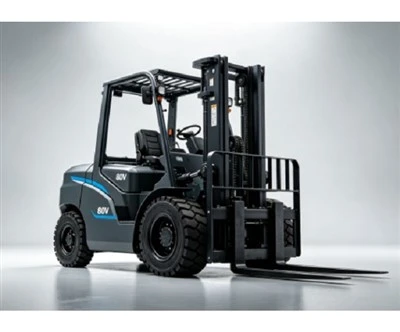 80V 4 Wheel Electric ForkliftThe 80V 4-Wheel Electric Forklift series is engineered to bridge the performance gap between traditional Internal Combustion (IC) trucks and zero-emission electric material handling equipment. BuiltAdd to Inquiry
 -
 48V 4 Wheel Electric ForkliftA four-wheel counterbalance electric forklift is selected when operational stability, predictable handling, and zero indoor emissions take precedence over the tight turning radius of a three-wheelAdd to Inquiry
 -
 Lithium Ion 4 Wheel Electric ForkliftLithium-ion 4-wheel electric forklifts combine a stable counterbalanced four-wheel chassis with AC electric drive systems and high-efficiency lithium iron phosphate battery packs. Engineered forAdd to Inquiry
 -
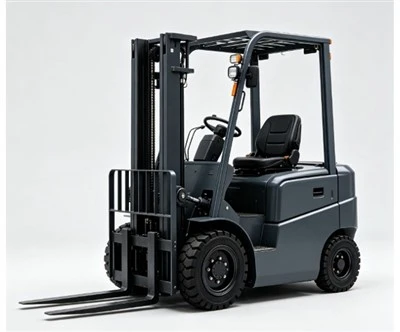 4 Wheel Sit Down Electric ForkliftThe 4 wheel sit down electric forklift is a counterbalanced industrial truck engineered for pallet handling, container loading, production logistics, and general material movement. Its four-wheelAdd to Inquiry
 -
 4 Wheel Electric Counterbalance ForkliftFour-wheel electric counterbalance forklifts are engineered for pallet handling, production-line material supply, loading and unloading docks, and general industrial logistics where stable loadAdd to Inquiry


Four-Wheel Electric Forklift Capacity Classes
|
Capacity Class |
Primary Industrial Applications |
|
1.5 to 2.0 Tonnes |
Standard warehousing, distribution centers, light manufacturing, and assembly plants. |
|
2.5 to 3.0 Tonnes |
General industrial material handling, logistics operations, and production logistics. |
|
3.5 to 4.0 Tonnes |
Heavier palletized goods, raw materials, machinery components, and building supplies. |
|
5.0 Tonnes |
Heavy industrial manufacturing, component handling, and high-capacity yard logistics. |
|
7.0 to 10.0 Tonnes |
Heavy-duty industrial transport, metal handling, and specialized high-capacity applications. |
Why Choose us
Advanced Manufacturing and Quality Control
Our production facilities utilize modern industrial manufacturing techniques, including automated chassis fabrication and rigorous pre-export testing, to ensure structural integrity, high load-bearing stability, and long-term operational reliability across every forklift unit.
Global Supply Chain and Export Expertise
International logistics are managed through customized export packaging, streamlined customs documentation handover, and flexible shipping coordination designed to withstand long-distance maritime transport and ensure predictable delivery schedules.
Dedicated Technical Support and Spare Parts Availability
Equipment uptime is protected by responsive engineering assistance, accessible maintenance components, and structured spare parts inventories that minimize downtime throughout the entire lifecycle of the machine.

Core Product Features
Counterbalanced Chassis Architecture: Designed without front outriggers, allowing the chassis to carry heavy loads directly on the forks while maintaining high stability through a rear counterweight.
AC Electric Drive and High-Performance Motors: Advanced alternating current drive and hydraulic motors deliver smooth acceleration, precise inching control, regenerative braking, and powerful lifting performance without internal combustion emissions.
Heavy-Duty Mast Assemblies: Precision-engineered 2-stage and 3-stage upright channels provide excellent vertical rigidity, maximized free-lift capabilities, and smooth load transition at high elevations.
Ergonomic and Safe Operator Environment: Integrated with operator presence sensing systems, adjustable suspension seating, intuitive hydraulic control levers, and panoramic wide-view masts to maximize safety and reduce fatigue.
Flexible Energy Systems: Configurable with either conventional lead-acid battery setups or high-efficiency lithium-ion power packs supporting fast charging and multi-shift utilization.
Core Industrial Applications
Warehousing and Distribution Centers: Ideal for intensive pallet stacking, high-tier rack storage, loading and unloading transport vehicles, and general internal material movement.
Manufacturing and Assembly Plants: Utilized for raw material feeding, work-in-process transport between workstations, finished goods handling, and heavy component placement.
Loading Docks and Enclosed Spaces: Zero tailpipe emissions make these forklifts essential for indoor container stuffing, enclosed loading docks, and temperature-controlled facilities where internal combustion engines are restricted.
Food, Beverage, and Clean Production Facilities: Clean, quiet electric operation prevents exhaust contamination and excessive noise, making them well-suited for hygiene-sensitive production areas and consumer goods logistics.
Semi-Outdoor Yards and Logistics Hubs: Higher-capacity models equipped with robust tyres and weatherproof electrical protections handle demanding outdoor transport across paved industrial yards and loading aprons.
Key Procurement Specifications
When comparing equipment across different models and configurations, procurement teams should evaluate these core metrics:
Rated Load Capacity & Load Center
Ensure ratings reflect the actual dimensions of the loads being handled. Deeper loads require strict attention to load charts to prevent capacity reduction.
Lift Height & Mast Selection
Match the mast type (2-stage or 3-stage) to rack heights, container loading requirements, and low-clearance doorways.
urning Radius & Overall Dimensions
TEvaluate overall length, wheelbase, mast dimensions, and turning radius to guarantee safe navigation within working aisles.
Operating Weight
Consider machine weight for mezzanine floors, loading platforms, elevators, and weight-sensitive transport ramps.
Battery and Power System Selection
Power system selection directly determines daily operating hours, utility costs, maintenance routines, and charging infrastructure requirements.
Lead-Acid Battery Systems: Ideal for single-shift operations, moderate daily utilization, and facilities with existing conventional charging rooms where initial acquisition cost is a primary consideration.
Lithium-Ion Battery Systems: Recommended for multi-shift operations, high equipment utilization, intensive duty cycles, and facilities requiring opportunity charging with zero routine battery maintenance.
Voltage Configurations: Higher-capacity models frequently utilize 80 V electrical systems to deliver sustained power for heavy industrial lifting and travel performance.
Complete Power Evaluation: Battery capacity, charger input/output specifications, charging connectors, and replenishment strategies must be evaluated as a unified system prior to ordering.

Mast Options
2-Stage Masts: Suitable for standard warehouse heights and applications requiring maximum free lift or simplified mechanical structures.
3-Stage Masts: Provide high maximum lifting heights while maintaining a low collapsed height for entering low doorways or containers.
Fork and Attachment Integration
Fork Dimensions: Custom lengths, widths, and thicknesses must match standard and non-standard pallet designs.
Hydraulic Attachments: Side shifters, fork positioners, bale clamps, and roll clamps must be evaluated against the operational load center and residual capacity limits.
Safety and Regional Compliance
Operator safety and regulatory compliance are critical when deploying equipment into international markets.
Active Safety Features
Operator presence sensing systems (OPS), automatic parking brakes, emergency power-off switches, and seat interlocks.
Visibility & Lighting
LED work lights, reverse warning buzzers, flashing beacon lights, and panoramic wide-view masts.
Regional Certification
Ensure the equipment matches destination market compliance standards (such as CE requirements for Europe, OSHA/ANSI standards for North America, or equivalent regional safety frameworks).
FAQ
Q: What are the main differences between lead-acid and lithium-ion batteries for electric forklifts?
A: Lead-acid batteries offer a lower initial acquisition cost and are well-suited for single-shift operations with conventional charging routines. However, they require scheduled watering, equalizing, and dedicated well-ventilated charging rooms. Lithium-ion batteries eliminate routine daily maintenance, support opportunity charging during breaks, recharge much faster, and deliver higher energy efficiency across multi-shift operations, making them ideal for high-utilization environments.
Q: How do I calculate the required aisle width for a four-wheel electric forklift?
A: Determining the correct working aisle width requires evaluating the forklift's overall length, wheelbase, turning radius, and load dimensions. Specifically, you must calculate the Right Angle Stacking (RAS) aisle dimension, which adds the turning radius, front overhang, load length, and a standard safety clearance buffer (typically 200 mm to 300 mm). Always measure your actual facility layout rather than relying on general equipment category estimates.
Q: Can four-wheel electric forklifts be operated outdoors or in wet conditions?
A: Yes, many high-capacity four-wheel electric forklifts are built with weatherproof electrical connectors, sealed motors, and robust pneumatic or solid tyres suitable for semi-outdoor loading docks and yards. However, extreme weather conditions, heavy rain, or corrosive environments require specific protection packages and regular maintenance to safeguard electrical components and prevent traction loss.
Q: How does load center affect the lifting capacity of an electric counterbalanced forklift?
A: Nominal capacity ratings are typically calculated based on a specific load center, such as 500 mm from the fork face. If your application involves long, bulky, or unevenly distributed loads where the center of gravity extends past this standard distance, the actual lifting capacity of the forklift decreases. Procurement teams must consult the specific model's load chart to ensure safe handling of non-standard cargo.
Q: What documentation should be requested from a supplier before placing an order?
A: A complete procurement package should include technical datasheets, operator manuals, spare parts catalogs, electrical and hydraulic schematic diagrams, quality inspection records, and regional compliance certificates. Having these documents upfront ensures smooth customs clearance, simplifies future maintenance, and guarantees compliance with local safety regulations.
As one of the leading 4 wheel electric forklift suppliers in China, we warmly welcome you to buy high quality 4 wheel electric forklift for sale here from our factory. Good service and reasonable price are available.
10t electric forklift truck, 2 5 Ton 7m Height Telescopic Handlers Forklift, counterbalanced 5t electric forklift truck