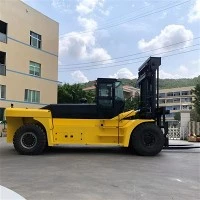
Lithium-ion 4-wheel electric forklifts combine a stable counterbalanced four-wheel chassis with AC electric drive systems and high-efficiency lithium iron phosphate battery packs. Engineered for high-throughput warehouse storage, manufacturing plants, and industrial distribution centers, this equipment series delivers diesel-equivalent torque with zero tailpipe emissions and reduced daily operational overhead.
Unlike narrow-aisle reach trucks or pedestrian stackers, a four-wheel counterbalanced layout handles palletized goods, raw materials, and heavy industrial loads directly from the floor without requiring supporting straddle legs. The range spans from compact 1.5-tonne configurations to heavy-duty 7.0-tonne models, enabling procurement teams to match chassis dimensions, mast stages, and energy capacities to precise facility duty cycles.
Technical Specifications & Model Comparison
|
Model Series |
Rated Load Capacity |
Standard Load Center |
Standard Lift Height |
Turning Radius |
Typical Battery System |
Traction & Pump Power |
|
1.5-Ton Compact |
1,500 kg |
500 mm |
3,000 mm |
~1,955 mm |
48V / 500Ah |
6 kW AC Traction |
|
2.0-Ton Series |
2,000 kg |
500 mm |
3,000 mm |
~2,010 mm |
80V / 271Ah LiFePO4 |
Dual AC High Torque |
|
2.5-Ton Series |
2,500 kg |
500 mm |
3,000 mm |
~2,065 mm |
80V / 272Ah Lithium |
Load-Sensing Proportional AC |
|
3.0-Ton Series |
3,000 kg |
500 mm |
3,000 mm |
~2,150 mm |
80V High-Capacity Lithium |
13 kW AC Traction |
|
3.5-Ton Series |
3,500 kg |
500 mm |
3,000 mm |
~2,240 mm |
80V High-Capacity Lithium |
13 kW / 14 kW Pump |
|
7.0-Ton Heavy-Duty |
7,000 kg |
600 mm |
3,000 mm (up to 7,060 mm) |
~3,355 mm |
80V / 1240Ah Max |
Multi-Phase Heavy-Duty AC |
Core Engineering & Manufacturing Advantages
AC Brushless Drivetrains: High-efficiency traction and hydraulic pump motors reduce energy losses and eliminate carbon brush replacement maintenance.
Chassis Protection: Electrical compartments feature sealed enclosures designed to prevent moisture ingress and dust accumulation during mixed indoor and outdoor applications.
Proportional Hydraulics: Micro-meter valve adjustments provide smooth mast cushioning, preventing load shock and hydraulic drift during high-bay pallet alignment.
Steering Geometry: Optimized steering axles deliver tight outside turning radiuses, improving maneuverability in high-density storage aisles.
Factory Quality Control & Testing Standards
Manufacturing reliability is verified through strict multi-stage quality inspections before factory release:
Structural Integrity: Main chassis frames undergo automated robotic welding and ultrasonic flaw detection to ensure maximum resistance against torsional stress.
Hydraulic Pressure Testing: Every assembled mast and hydraulic cylinder undergoes over-pressure test cycles to verify valve integrity and eliminate internal leakage under rated loads.
Electrical Safety Verification: High-voltage insulation resistance tests, controller response calibration, and full-load dynamic track trials are executed on every production batch.
Application Environments
Warehouses and Distribution Centers: Rapid pallet handling, container loading, and rack replenishment without exhaust ventilation constraints.
Manufacturing Plants: Transferring raw materials, machining components, heavy dies, and finished goods between production lines.
Logistics and Third-Party Facilities: High-throughput material handling operations leveraging opportunity charging to sustain continuous multi-shift workflows.
Mixed Indoor and Outdoor Yards: Paved loading docks and transit yards where four-wheel stability outperforms three-wheel or warehouse-only equipment.
Operational Best Practices & Safety Guidelines
Surface Requirements: For optimal safety and tire longevity, operate these forklifts on level, paved, or compacted concrete surfaces. Avoid steep inclines exceeding the rated gradient capability when carrying heavy loads.
Pre-Operation Inspection: Operators should conduct a daily walkaround check-inspecting tire condition, hydraulic fluid levels, emergency stop buttons, and battery charge status before starting work.
Load Center Compliance: Always verify that the weight and load center of the handled material do not exceed the specific model's capacity chart rating to prevent tipping risks.
Configuration Options
To meet exact operational parameters, units can be customized with specific factory options:
Mast Configurations
2-stage standard masts or 3-stage full free-lift triplex masts matching building clearance limits.
Traction Batteries
Lithium iron phosphate lithium-ion modules or heavy-duty lead-acid traction cells matched with designated high-frequency chargers.
Hydraulic Attachments
Side shifters, fork positioners, bale clamps, paper roll clamps, and multi-pallet handlers.
Operator Comfort
Enclosed steel cabs with heating or air conditioning, suspension seating, and customized lighting packages.
FAQ
Q: What are the main maintenance advantages of switching to lithium-ion batteries compared to lead-acid?
A: Lithium-ion (LiFePO4) batteries require zero routine maintenance-there is no need for water topping, specific gravity checks, or equalization charges. They also support fast opportunity charging during breaks, last up to 3 times longer than traditional lead-acid batteries, and maintain stable voltage output throughout the discharge cycle.
Q: Can these 4-wheel electric forklifts be operated outdoors in wet weather?
A: Yes. The electrical compartments and core components feature sealed enclosures designed to resist moisture and dust. While they perform exceptionally well in mixed indoor and outdoor environments on paved surfaces, operators should avoid prolonged operation in heavy downpours or standing water.
Q: What is opportunity charging, and how does it benefit multi-shift operations?
A: Opportunity charging allows the forklift to be plugged in during short breaks (such as lunch or shift changes) for 15 to 30 minutes without damaging the battery life. This eliminates the need for battery-swapping rooms and enables continuous multi-shift operations using a single truck.
Q: What safety features are integrated into the chassis design?
A: Standard safety systems include an automatic deceleration function during sharp turns, an operator presence sensing system (OPS) that halts hydraulic and driving functions when the driver leaves the seat, and an emergency power disconnect switch.
Hot Tags: lithium ion 4 wheel electric forklift, China lithium ion 4 wheel electric forklift suppliers, factory, 1 5 ton lithium battery forklift, 2 5 Ton Telescopic Handler, 3 ton Lithium battery electric forklift, 3t electric forklift, 8 Ton Forklift for clean Environment, Lithium Ion Electric Forklift 7 Tonne