


Product Overview
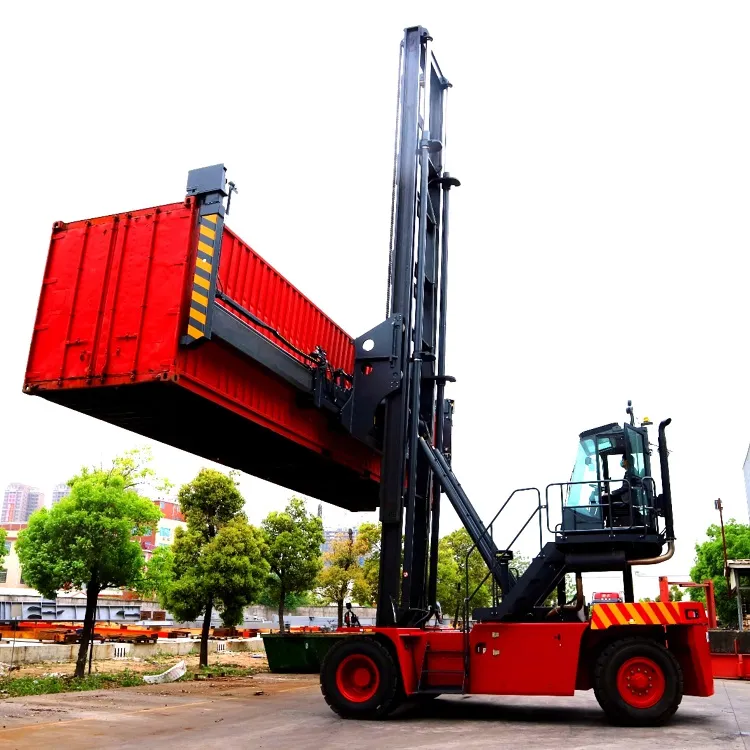
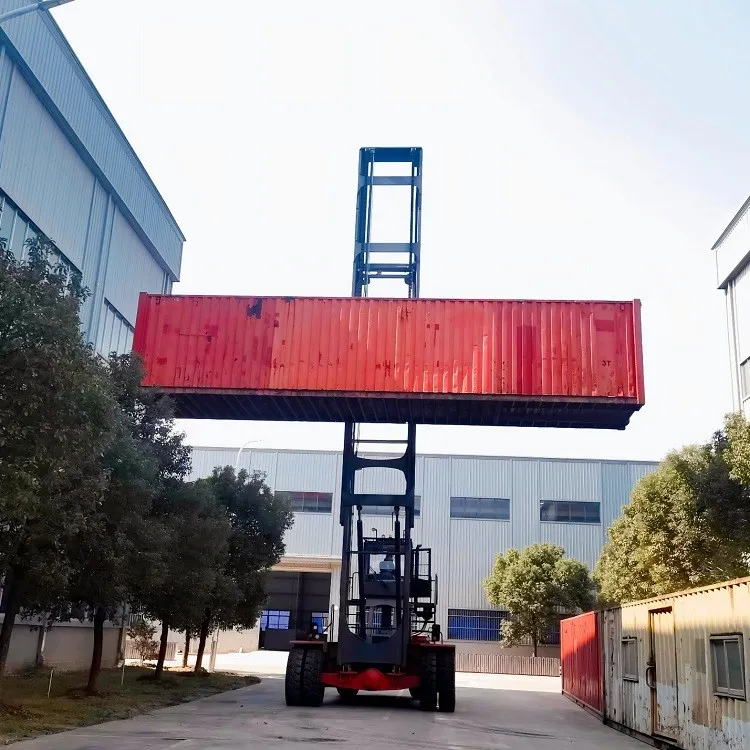
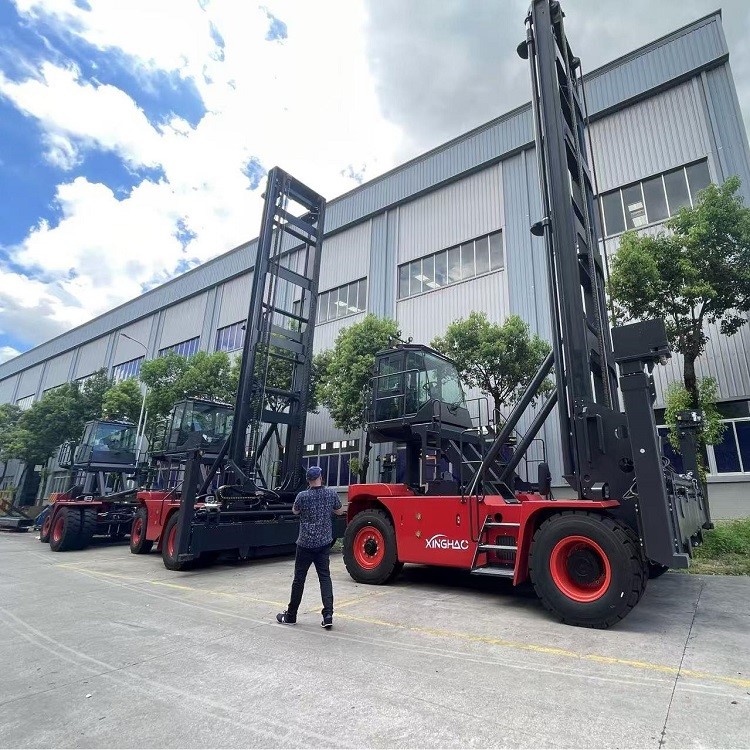
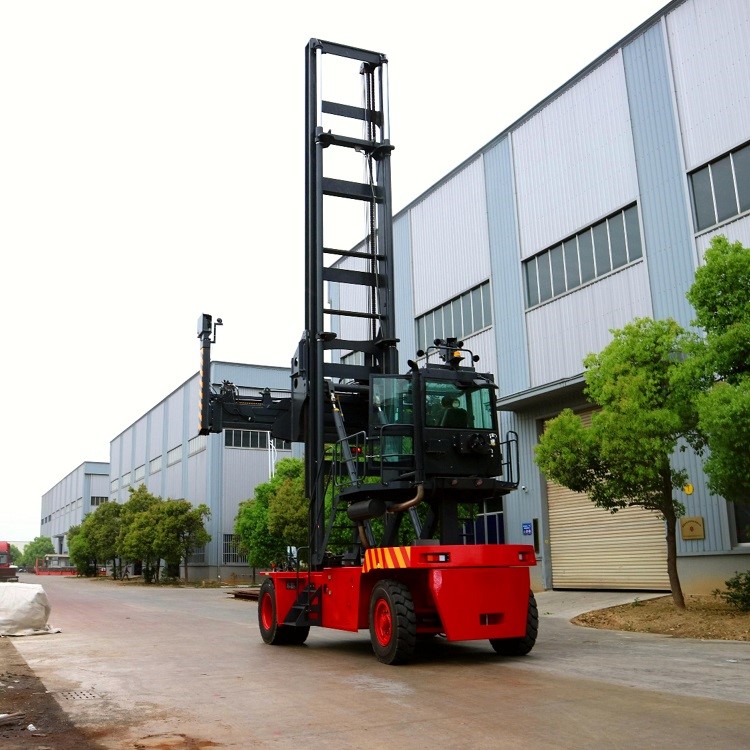
The diesel empty container handler is a purpose‑built container yard machine designed for handling, stacking and transporting empty shipping containers. Unlike standard forklifts, this truck uses a specialized spreader and chassis layout to lift containers from the bottom and place them on racks or reposition them within a yard.
This class of vehicle is essential for port operations, container storage yards and logistics hubs where hundreds of empty containers are moved daily. For buyers engaged in equipment procurement or fleet purchase, understanding both the technical details and real jobsite behaviour is crucial.
Key Specifications
Here are the core technical parameters for the diesel empty container handler as provided:
- Model: XINGHAO‑ECH80‑7
- Power Unit: Diesel
- Operation: Seated operator
- Rated Load Capacity: 8,000 kg
- Max Stacking Layer: 7 containers
- Lift Speed (Laden/Unladen): 0.55 / 0.60 m/s
- Lowering Speed (Laden/Unladen): 0.60 / 0.60 m/s
- Travel Speed (Laden/Unladen): 25 / 27 km/h
- Climbing Ability (Laden): 30%
- Tractive Force: 107.5 kN
- Wheelbase: 4020 mm
- Mast Height (Lowered/Extended): ~9600 / 16660 mm
- Overall Length: 6450 mm
- Overall Width: 3627 mm
- Turning Radius: 5700 mm
- Service Weight: 32800 kg
- Engine: Cummins QSM6.7, ~129 kW @ 2200 rpm
- Transmission: ZF/3WG211 AUTO, 3F/3R auto‑shift/interlock
- Brake System: Wet‑disc service brake, parking brake engaged when power off
- Drive Axle: Kessler D81PL478‑NLB
- Steering Axle: Z16A1 with double action cylinder
- Tyres: Pneumatic 12.00‑24, steering 12.00‑24 (pressure: ~10 bar)
These specifications reflect real container handling work cycles rather than generic machine specs.

Where It's Used
Port Operations and Shipping Terminals
This truck stacks empty containers in blocks and repositions them for loading or transport. Its spreader supports both 20' and 40' containers in a single handling process.
Container Storage and Distribution Yards
For high rotation of empty boxes, the handler ensures containers are stacked to the required height safely while maintaining yard throughput.
Intermodal Freight Hubs
From rail to truck transfer zones, this diesel handler bridges gaps where containers must be moved without waiting for cranes or specialized reach stackers.
Performance and Real‑World Insight
- Lifting & Placement: Speeds around 0.55–0.60 m/s support steady stacking across multiple layers.
- Travel & Maneuvering: Travel speeds up to ~27 km/h help cross large yard areas without congesting workflows.
- Traction & Uphill: ~30% climbing ability means this handler can navigate slight grades common in yard layouts.
- Engine & Transmission: Cummins power with hydrostatic and auto shift reduces operator fatigue and maintenance complexity.
This focus helps buyers understand what the machine delivers on real workloads rather than just data on paper.
Video Description
Purchasing Considerations
When planning equipment procurement or a fleet purchase for empty container handling:
- Stacking Requirements: Specify maximum stacking layer and container type (standard vs high‑cube).
- Workload Patterns: Daily cycle, peak periods, and shift lengths affect fuel and maintenance planning.
- Site Layout: Yard size, aisle widths, and entry points determine turning and positioning requirements.
- Service & Spares: Engine and transmission parts availability affects uptime and lifecycle cost.
Providing these factors early in RFQs helps vendors tailor their offer precisely.
FAQ - Common Buyer Questions
Q: How high can it stack containers?
A: This handler supports up to 7 layers of empty containers in normal configuration.
Q: Can it switch between container sizes?
A: The standard spreader handles both 20' and 40' units, with side‑shift adjustments as needed.
Q: Is this better than a standard forklift for container yards?
A: Yes. The horizontal spreader and chassis design make it more efficient than forklifts which are not purpose‑built for container lifting.
Q: How does diesel compare with electric empty container handlers?
A: Diesel models typically offer longer range and faster redeployment without charging downtime; electric units reduce emissions and maintenance overhead.

Next Steps for Procurement
To receive a tailored quote:
- Share your yard size and stacking height requirements
- Provide expected daily workload and shift patterns
- Indicate required container types and spreader options
- Clarify any maintenance support or training needs
Providing this will allow suppliers to recommend configurations that match your operational goals and budget for equipment procurement or fleet purchase.
Hot Tags: diesel empty container handler, China diesel empty container handler suppliers, factory, Empty container reach stacker, Container lift spreader, 45 ton container handler, Reach Stacker container handler, 45 Ton Reach Stacker, reach stacker