Introduction
In the fast-paced world of logistics and container handling, efficiency, safety, and flexibility are critical. Among heavy lifting equipment, reach stackers have emerged as a vital solution for ports, container yards, and industrial storage facilities. For global buyers and warehouse operators, understanding what a reach stacker is, its capabilities, and typical applications is essential for making informed purchasing decisions that maximize operational productivity.
What Is a Reach Stacker?
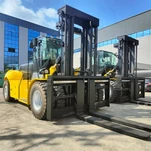
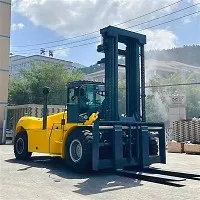
A reach stacker is a specialized type of forklift designed for handling containers and heavy loads, with the ability to lift, move, and stack them efficiently. Unlike conventional forklifts, reach stackers are engineered for high stacking heights and long reach operations, making them ideal for complex yard layouts and container storage solutions.
Key Features of a Reach Stacker
1. Extended Reach Capabilities
- The telescopic boom allows operators to stack containers several rows deep, reaching heights that conventional forklifts cannot.
2. High Lifting Capacity
- Standard models typically handle 35–60 tons, accommodating both empty and fully loaded ISO containers.
3. 360° Mobility and Maneuverability
- Reach stackers are designed for tight spaces, with turnable cabins and wheels for precise movement in congested yards.
4. Versatile Handling Attachments
- Equipped with container spreaders, rotators, and fork extensions, reach stackers can handle different container types and dimensions.
5. Operator Comfort and Safety
- Modern models feature ergonomic cabins, advanced control systems, and safety features such as overload sensors and stability monitoring.
For buyers evaluating heavy-duty material handling equipment, reach stackers offer a balance of lifting power, flexibility, and operational efficiency, making them a preferred choice over traditional forklifts in container-intensive operations.
Where Is a Reach Stacker Used?
Reach stackers are widely applied across industries where high stacking efficiency, speed, and precision are required:
1. Container Terminals and Ports
- Efficiently transfer containers between ships, storage yards, and trucks.
- Ideal for short-term stacking operations where space optimization is critical.
- Reach stackers reduce reliance on multiple cranes, lowering operational costs.
2. Inland Container Depots (ICDs) and Rail Terminals
- Move containers between rail cars, trucks, and storage areas.
- Enhance yard throughput by allowing quick stacking and retrieval, especially for multi-tier storage.
3. Industrial Storage Yards
- Handle heavy goods or modular containers in warehouses or distribution centers.
- Maximize storage density while maintaining accessibility to containers, even in tight spaces.
4. Construction, Mining, and Specialized Projects
- Transport and stack oversized loads or construction materials on-site.
- Offer flexible lifting solutions in rugged terrain or temporary storage areas.
The right choice of a reach stacker depends on your yard layout, container weight, stacking height, and operational frequency, ensuring both safety and productivity.


Why Reach Stackers Are Preferred by Global Buyers
1. High Stacking Density
- Reach stackers can stack containers 3–5 levels high, optimizing limited yard space.
2. Operational Flexibility
- Able to handle standard ISO containers, oversized loads, and modular cargo with appropriate attachments.
3. Cost-Effectiveness
- For medium- to large-scale operations, reach stackers often reduce the number of forklifts or cranes required, lowering overall operational costs.
4. Enhanced Safety Features
- Modern reach stackers come equipped with overload protection, tilt sensors, and stability control, reducing workplace accidents.
5. Long-Term Reliability
- High-quality reach stackers ensure consistent performance over years of heavy-duty operation, minimizing downtime and maintenance costs.
Choosing the Right Reach Stacker
When selecting a reach stacker, global buyers should consider:
- Lifting capacity and boom reach – Match the reach stacker to the heaviest loads and maximum stacking height needed.
- Attachments and versatility – Check for spreaders, rotators, or other handling options.
- Operational environment – Yard layout, terrain, and aisle width affect maneuverability and efficiency.
- After-sales support and spare parts availability – Reliable supplier support ensures minimal downtime.
- Compliance and safety certifications – ISO, CE, or other regional certifications guarantee safety and operational standards.
Investing in a properly specified reach stacker not only improves operational efficiency but also contributes to long-term cost savings and safety compliance.
Next Steps for Buyers
For professional buyers interested in expanding their material handling capabilities, explore our Reach Stacker product page for:
- Detailed specifications of available models
- Technical guidance for selecting the right capacity and attachments
- Contact information for consulting on your operational needs
With the right reach stacker, ports, warehouses, and industrial yards can achieve higher throughput, improved safety, and cost-effective operations.