Introduction
Selecting the right forklift is a critical decision for any warehouse, logistics center, port, or industrial facility. The forklift you choose affects operational efficiency, worker safety, fuel and maintenance costs, and even environmental compliance. Two of the most common forklift types are electric forklifts and diesel forklifts. Each type has its own advantages, limitations, and ideal applications.
Understanding these differences helps global buyers make informed purchasing decisions, optimize operational workflows, and reduce long-term operational costs. This article provides a detailed comparison, practical guidance, and real-world scenarios to help you decide which forklift suits your operation.
1. Power Source and Environmental Impact
Electric Forklifts
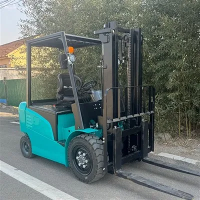
- Powered by rechargeable batteries, electric forklifts produce zero emissions on-site, making them ideal for indoor warehouses, factories, and production facilities.
- Their quiet operation reduces noise pollution, improving working conditions for staff.
- Charging infrastructure is a consideration: facilities need sufficient charging stations and time management for battery swaps or recharging cycles.
Diesel Forklifts
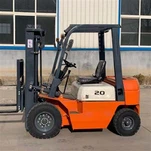
- Diesel forklifts use traditional combustion engines fueled by diesel, producing higher emissions.
- Best suited for outdoor operations, including construction sites, ports, container yards, and industrial storage.
- Diesel forklifts provide stronger and consistent power output for heavy lifting over long periods.
Key Takeaway: If your operation is indoors or in emission-sensitive zones, electric forklifts are usually preferred. For outdoor, heavy-duty operations, diesel forklifts are more effective.
2. Load Capacity and Performance
Electric Forklifts
- Typically handle 1–5 tons, making them ideal for medium-load operations and repetitive lifting tasks.
- Modern electric forklifts can handle larger loads, up to 7 tons in some cases, but efficiency may decrease as loads increase.
- Acceleration is smooth and consistent, which is suitable for precise warehouse operations, narrow aisles, or delicate materials.
Diesel Forklifts
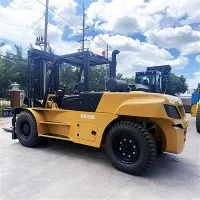
- Offer higher lifting capacities, ranging from 5 tons to 20 tons or more, suitable for heavy-duty applications.
- Diesel forklifts maintain performance even under continuous operation, high-temperature environments, or uneven terrain.
- Stronger torque allows them to handle oversized or fully loaded containers and pallets.
Scenario Example:
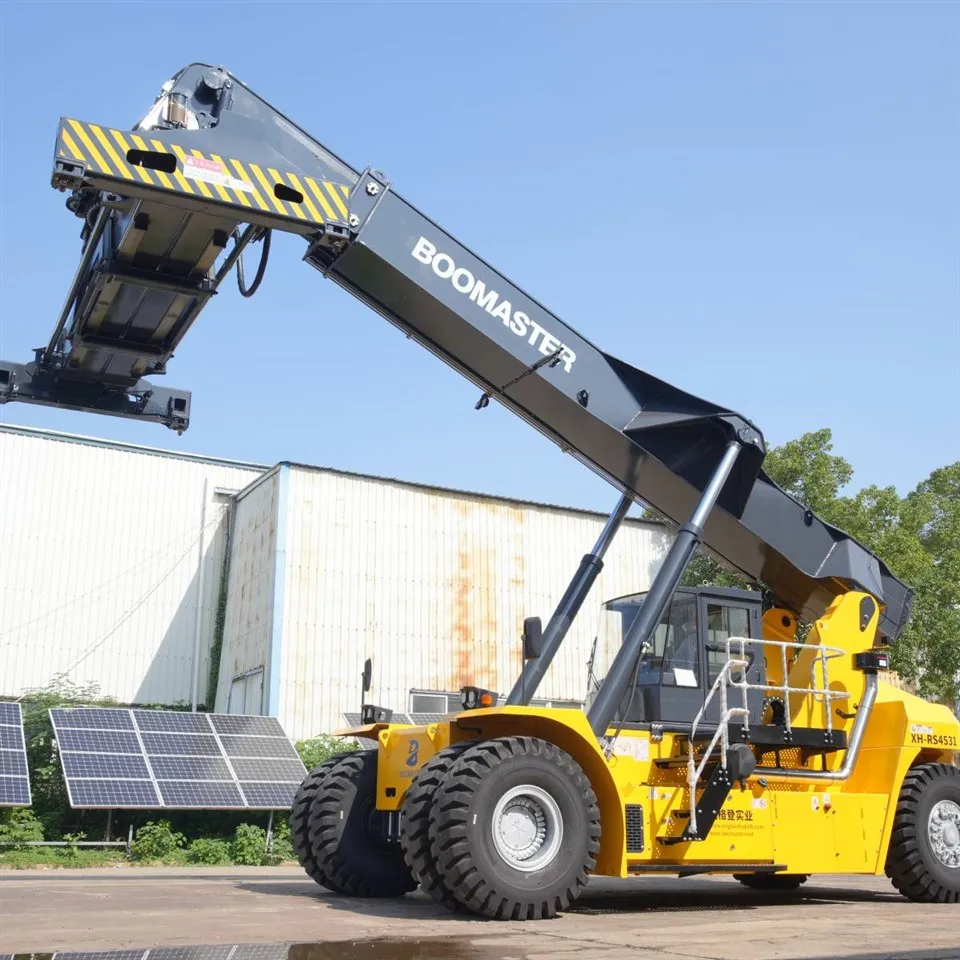
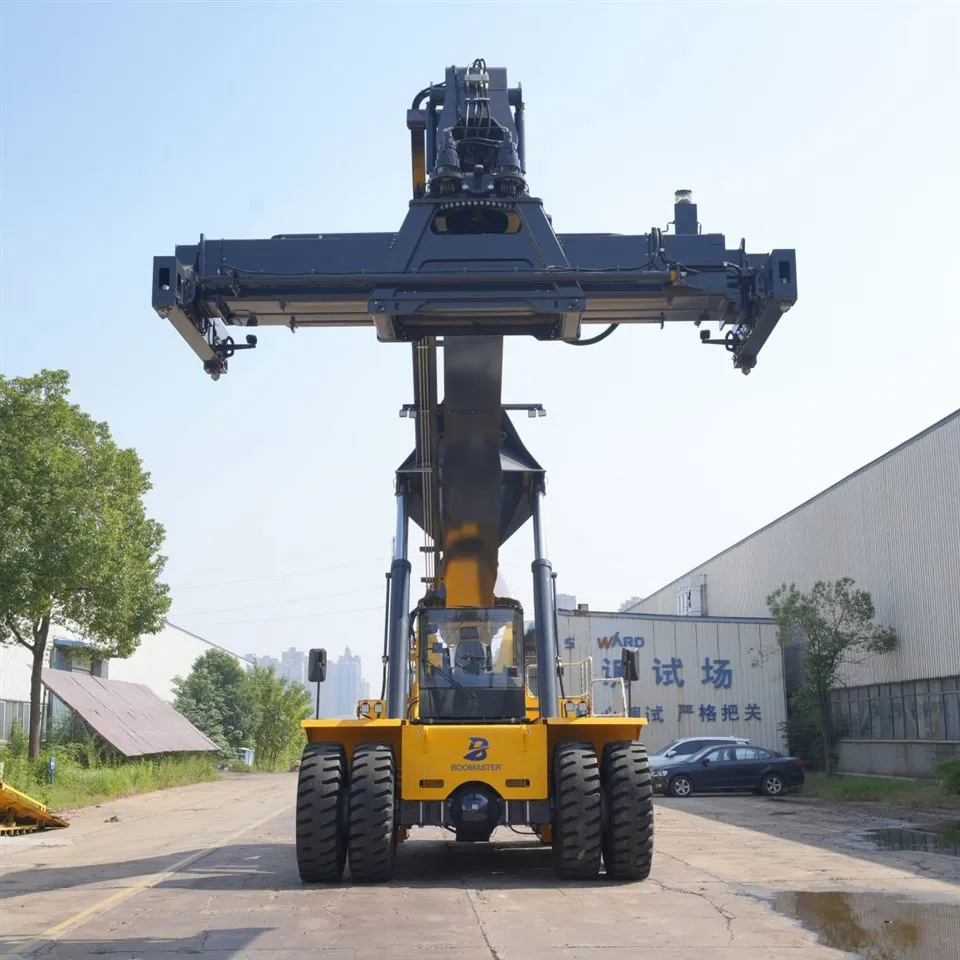
A port handling fully loaded 20-ton containers will almost always rely on diesel forklifts or reach stackers, while an e-commerce warehouse moving lighter pallets might benefit more from electric forklifts for efficiency and low noise.
3. Operating Costs
Electric Forklifts
- Lower daily operating costs due to cheaper electricity versus diesel fuel.
- Less frequent mechanical maintenance required (no oil changes, fewer engine components).
- Battery management is essential: batteries have finite cycles and replacement costs.
- Energy recovery technologies (regenerative braking) can further reduce electricity consumption.
Diesel Forklifts
- Higher fuel costs and more frequent mechanical maintenance (oil changes, filters, engine servicing).
- Diesel engines are more durable for continuous, heavy-duty operation.
- Over time, maintenance and fuel costs can be mitigated by investing in high-quality diesel models with efficient engines.
Total Cost of Ownership (TCO) should consider purchase price, fuel or electricity, maintenance, downtime, and operator training. While electric forklifts may cost more upfront, their lower operating cost can offset initial investment in indoor environments.

4. Noise and Workplace Comfort
- Electric forklifts operate quietly, which improves indoor safety and reduces operator fatigue. They are ideal for sensitive environments, like hospitals, cold storage, or clean warehouses.
- Diesel forklifts generate more noise and vibration, potentially requiring hearing protection in some workplaces. However, modern diesel models often feature enhanced insulation and vibration dampening.
Comfort and noise considerations are particularly important in indoor operations or facilities with multiple shifts and high operator turnover.
5. Maintenance Requirements
Electric Forklifts
- Require minimal engine servicing, but battery health must be monitored.
- Battery charging infrastructure must be reliable to avoid operational downtime.
- Electric forklifts have fewer moving parts, reducing potential mechanical failures.
Diesel Forklifts
- Require regular engine maintenance, including oil changes, fuel filter replacements, and exhaust system inspections.
- More complex mechanical systems may require trained technicians.
- Higher durability for heavy-duty, continuous operations reduces risk of failure under extreme conditions.
6. Operational Scenarios and Applications
Electric Forklift Ideal Use Cases
- Indoor warehouses with limited ventilation.
- Cold storage facilities requiring quiet, zero-emission operation.
- Manufacturing lines needing repetitive lifting of medium-weight pallets.
- Distribution centers prioritizing low operating costs and low noise.
Diesel Forklift Ideal Use Cases
- Ports and container yards requiring lifting of heavy, fully loaded pallets or containers.
- Construction sites, industrial yards, and outdoor logistics where terrain is uneven.
- Operations requiring extended hours of continuous work.
- Areas where higher power and torque are necessary.
7. Hybrid and Complementary Solutions
Some operations combine electric and diesel forklifts to balance indoor and outdoor tasks.
Other complementary equipment includes:
- Telehandlers for construction and outdoor material handling.
- Heavy forklifts for industrial warehouses with high weight requirements.
- Reach stackers for container stacking and yard optimization.
Buyers should consider integrating multiple types of equipment to optimize efficiency and reduce downtime.
8. Buying Considerations for Global Procurement
When selecting a forklift, consider:
- Load requirements and lifting height – ensure the machine can handle the heaviest loads in your operation.
- Work environment – indoor vs outdoor, ventilation, aisle width, and terrain type.
- Operational hours and cycles – continuous vs intermittent use.
- Total cost of ownership (TCO) – include purchase cost, fuel/electricity, maintenance, and downtime.
- After-sales service – reliable suppliers with spare parts availability and technical support.
- Certifications and safety compliance – ISO, CE, or other regional requirements.
For professional buyers, comparing electric and diesel forklifts in the context of operational needs, environmental regulations, and long-term costs is essential.
Next Steps for Buyers
Explore our detailed product pages for specifications and models:
- Electric Forklift Product Page
- Diesel Forklift Product Page
Consult our sales team to get guidance tailored to your yard layout, load types, and operational goals. Choosing the right forklift ensures efficient, safe, and cost-effective operations.