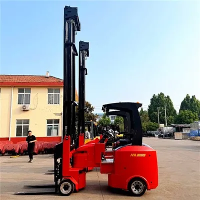
As an important lifting equipment, the maintenance and care of the front crane is crucial to ensure the safety of the equipment, extend its service life and improve work efficiency. The following are the key points of the maintenance and care of the front crane:
1. Daily inspection and cleaning
Inspect components: Before each use, check the key components of the front crane, such as the wire rope, hook, pulley, brake, limit switch, etc., to ensure that there is no wear, breakage or looseness.
Cleaning equipment: Regularly clean the dust, oil and debris on the surface of the equipment to prevent corrosion and mechanical failure.
2. Lubrication and tightening
Lubricate key parts: The moving parts of the front crane, such as the rotating pin, bearings, gears, etc., need to be lubricated regularly to reduce wear and extend service life. For example, the spherical bearing surface of the rotating pin should be kept clean and oiled regularly.
Tighten bolts: Check and tighten all bolts, nuts and other fasteners to prevent structural damage or safety accidents caused by looseness.
3. Hydraulic system maintenance
Hydraulic oil management: Check and replace the hydraulic oil regularly to ensure that the oil is clean and the performance is stable. The hydraulic oil should be shoveled out of the bottom drain port to remove moisture and impurities at regular intervals, and all hydraulic oil should be replaced every year or after 2,000 hours of operation.
Anti-leakage: Take measures to prevent leakage at the oil leakage site to keep the hydraulic system clean and dry.
4. Electrical system inspection
Electrical connection: Check whether the electrical connectors are tight and whether the wires are worn or broken to prevent electrical failures.
Cleaning and anti-corrosion: Clean the electrical system regularly to prevent corrosion of the electrical connectors.
5. Safety performance inspection
Safety device: Check whether the safety protection switch and limit switch are accurately positioned and work flexibly and reliably.
Fire safety: Avoid parking for a long time under the sun in summer to prevent spontaneous combustion. The equipment should be equipped with a fire extinguisher, and the driver should be familiar with its use.
6. Regular and comprehensive inspection
Periodic inspection: According to the use of the reach stacker and the manufacturer's recommendations, formulate a comprehensive inspection plan for different periods such as weeks, months, and years, including the replacement of parts, adjustment of the hydraulic system, and the update of electrical equipment.
7. Operational specifications and training
Driver training: The driver must undergo a comprehensive course training approved by the labor department, pass the theoretical and practical operation assessments, and hold a valid job certificate.
Operational habits: Develop good driving habits, such as checking the equipment before operation, complying with load limits, and avoiding dangerous operations.