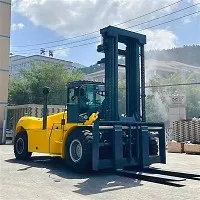
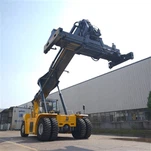
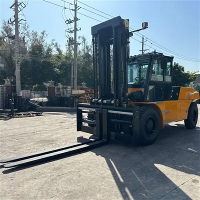
Electric and diesel empty container handlers can serve the same stacking task, but they fit different operating conditions. Electric models suit yards with predictable shifts, planned charging windows and sufficient electrical capacity. Diesel remains practical where rapid refueling, remote operation or existing fuel infrastructure is more important.
Compare moves per hour, travel distance and shift length.
Check charging capacity or diesel refueling access.
Keep the same stack plan and route when comparing both options.
Electric vs Diesel Empty Container Handler
| Factor | Electric | Diesel |
|---|---|---|
| Energy supply | Electrical supply and charger required | Diesel supply and refueling access required |
| Exhaust at the machine | No diesel exhaust during operation | Produces engine exhaust |
| Energy replenishment | Charging must fit the operating schedule | Fuel can be replenished quickly where supply is available |
| Powertrain maintenance | No diesel engine oil, filters or fuel system | Includes engine and fuel-system service |
| Remote yards | Depends on suitable electrical infrastructure | Practical where fuel logistics already exist |
| Cost comparison | Depends on electricity, charging and utilization | Depends on fuel, engine service and utilization |
Match the Power System to the Duty Cycle
Empty container handling repeats the same core cycle: engage, lift, travel, stack, release and return. Energy demand changes with travel distance, stack height, gradients, waiting time and moves per hour.
Predictable shifts make charging easier to schedule. Irregular peaks or long operating periods require closer review of battery capacity, charger power and available charging time.
Diesel avoids battery charging, but fuel delivery, storage and refueling still have to fit the yard workflow.
- Average moves per hour
- Peak moves per hour
- Travel distance per cycle
- Required stack layers
- Operating hours per shift
- Available charging or refueling time
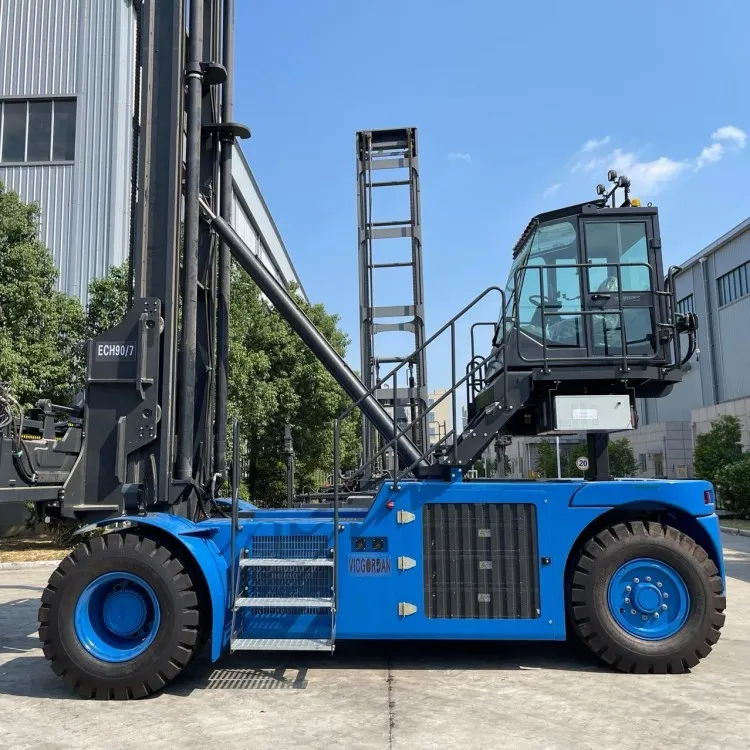
ECH90-7E electric empty container handler.
Charging or Refueling
Electric equipment requires enough grid capacity and a charger that fits the planned operating schedule. The charging bay also needs safe access without blocking container traffic.
Diesel equipment depends on fuel availability, storage and safe refueling access. Yards with established diesel infrastructure may find this easier to integrate without electrical upgrades.

Empty container handler with dedicated mast and spreader.
Maintenance Requirements
Electric drive removes diesel-engine service items such as engine oil, engine filters and fuel-system maintenance.
The battery, BMS, cooling circuit, motors, hydraulics, mast, spreader, brakes, tyres and steering still require routine inspection and service.
Diesel equipment adds engine and fuel-system maintenance while sharing many of the same mast, spreader, hydraulic and chassis service requirements.
Emissions and Worksite Conditions
Electric drive produces no diesel exhaust at the machine during operation. This can be useful in terminals where equipment works close to workshops, warehouses, inspection areas or urban boundaries.
Diesel buyers should confirm the required engine and emissions configuration for the destination market before ordering.
Hot, cold, wet, dusty or coastal environments should also be included in the equipment specification. Battery thermal management, cooling, corrosion exposure and service conditions can affect the final configuration.
Yard Layout Still Matters
Empty container handlers need enough room for turning, spreader alignment, stack access and container overhang. Charging or refueling also adds a fixed operating area to the yard layout.
The ECH90-7E reference configuration uses a 9,000 kg rated capacity, seven-high stacking arrangement and a dedicated container mast and spreader. Final site planning should use the approved machine dimensions and the actual container-yard layout.
Check container length, height and row spacing.
Review turning areas, gradients and intersections.
Keep charging or refueling clear of normal traffic.
Which Option Fits Your Yard?
Electric
- Predictable operating schedule
- Planned charging windows
- Adequate electrical capacity
- Need to eliminate diesel exhaust at the machine
- Charging area can be integrated into the yard
Diesel
- Existing diesel supply and service support
- Remote operation without suitable charging infrastructure
- Limited predictable charging time
- Rapid fuel replenishment is important
- Electrical upgrades would restrict the project
Data Needed for a Useful Comparison
| Data | Why It Matters |
|---|---|
| Container type | Defines spreader and stacking requirements |
| Required stack layers | Determines mast and operating requirements |
| Moves per hour | Shows work intensity |
| Travel distance | Affects energy use and cycle time |
| Shift length | Shapes charging or refueling strategy |
| Electricity tariff | Required for electric operating-cost calculation |
| Diesel price | Required for diesel operating-cost calculation |
| Grid capacity | Determines charging feasibility |
| Site climate | Affects cooling and equipment configuration |
Empty Container Handler Options
Electric vs Diesel Empty Container Handler FAQ
No. Operating cost depends on electricity, diesel, working hours, charging demand, maintenance and utilization.
The reference specification lists a 242.3 kWh CATL lithium iron phosphate battery system.
Runtime depends on travel distance, lift frequency, stack height, gradients, temperature and operating intensity.
Diesel can suit remote yards, sites with established fuel supply or operations where reliable charging infrastructure is not available.
Provide container type, stacking layers, moves per hour, travel distance, shift length, yard conditions, electrical supply and destination country.
Compare Electric and Diesel for Your Yard
Send your container mix, required stack height, moves per hour, shift length, travel distance, yard conditions and available electrical supply for configuration comparison.
Compare Your Yard Duty Cycle