


-

Crab Steering Explained: Navigating Muddy Construction Sites
Construction sites rarely feature paved surfaces. During early and mid-phase development, the ground is covered in half-meter deep mud ruts, scattered demolition debris, and tight scaffolding clearancMay 06, 2026 -

Frame Leveling & Outriggers: Staying Safe at 14 Meters High
Hoisting a 4-ton precast concrete slab or massive steel structure to a 14-meter height is an operation that heavily tests physical limits. At this extreme elevation, minor ground irregularities are brApr 30, 2026 -

The Hidden Costs of Overloading a 10-Ton Forklift
Many fleet managers and facility operators attempt to stretch their capital budgets by forcing standard 10-ton forklifts to lift 12 to 15-ton steel coils or heavy industrial dies. They justify this prApr 28, 2026 -
Stone & Granite Logistics: How to Prevent Dropped Loads
In the global stone trade, the yard is a high-risk zone. You are dealing with materials that present a contradictory engineering challenge: they are incredibly heavy, yet deceptively brittle. A singleApr 27, 2026 -
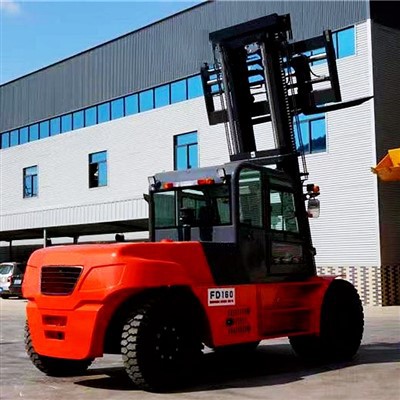
Cummins vs. Weichai: Choosing the Right Engine for Heavy Lifts
When procuring heavy material handling equipment, the engine is much more than just a specification on a brochure. It is the heart of your operation that dictates your total cost of ownership. The powApr 23, 2026 -

Handling Steel Coils: Why Mast Stability Matters In 40T Forklifts
Lifting a 30 to 40-ton steel coil is not just a test of engine horsepower; it is a brutal test of structural physics. In heavy metallurgy logistics, eccentric loading (off-center weight distribution)Apr 22, 2026 -
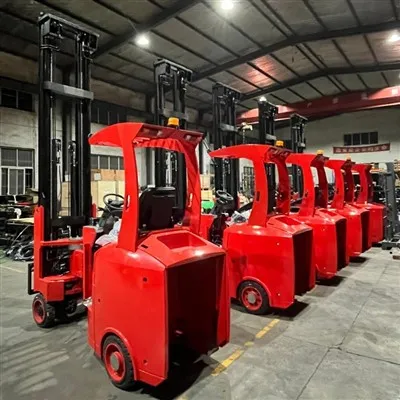
The 16 Ton Compact Forklift: Heavy Lifting for Narrow Aisles
Industrial manufacturing is evolving. Stamping dies, steel coils, and heavy machinery castings are becoming denser and heavier, often exceeding 10 to 15 tons. However, the physical footprint of legacyApr 21, 2026 -
Cold Storage Logistics: Maximizing Space with Articulated Forklifts
Constructing a commercial cold storage facility requires a massive upfront capital investment, but it is the ongoing monthly energy bill that ultimately dictates your profit margins. Energy consumptioApr 20, 2026 -

Stop Double Handling: The Dock-to-Rack Warehouse Strategy
Look at the receiving bay of a standard distribution center. A heavy counterbalance forklift unloads pallets from a flatbed truck and drops them into a staging area. Later, a different operator on anApr 16, 2026 -

Why Wet-Disc Brakes are Mandatory for Heavy Port Equipment
In a bustling container terminal, a fully loaded reach stacker can weigh well over 100 tons. Operating in a 24/7, high-intensity duty cycle, the driver executes dozens of sudden stops and starts everyApr 13, 2026 -
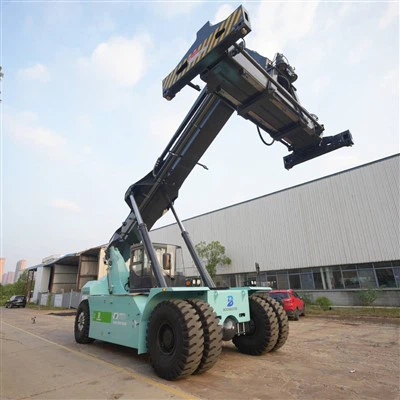
Intermodal Rail Yards: Reaching the 2nd Track with Electric Stackers
Intermodal Rail Yards: Reaching the 2nd Track with Electric Stackers Rail yard logistics are fundamentally different from open seaport operations. You are not dealing with a wide-open tarmac; you areApr 10, 2026 -
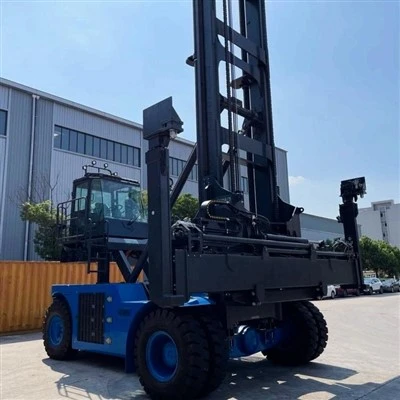
Diesel vs. Pure Electric Container Handlers: A Maintenance Audit
When people talk about upgrading from a diesel vs electric reach stacker , the conversation almost always stops at fuel savings. Sure, skipping the diesel pump is great for the budget. But talk to anyApr 09, 2026