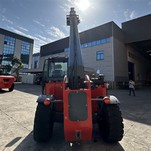
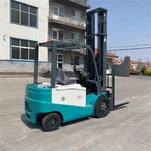
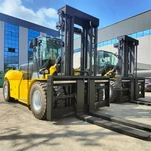
Maintenance and care of telescopic forklifts mainly include the following aspects:
Daily inspection: Daily inspection is the basis of maintenance, including checking the tightness of each component, oil level, water tank water level, tire pressure, etc.; checking whether the joystick, brake, clutch are working properly; whether there are any abnormalities in the electrical system, etc. These inspections can detect potential problems in time and prevent small faults from developing into big problems.
Regular cleaning: Telescopic forklifts are easily contaminated by dust and debris during work. Regular cleaning can keep the appearance of the equipment clean and the normal operation of each component. When cleaning, avoid direct contact of water with electrical components to avoid short circuit or damage.
Lubrication: Lubrication of each component is very important, which can reduce friction and wear and increase the service life of the equipment. Lubricate each lubrication point according to the specified lubrication cycle and lubricant type, and regularly check the working condition of the lubrication system to ensure its normal operation.
Regular inspection and adjustment: Regularly inspect and adjust each component to ensure the normal operation and use effect of the equipment. For example, check the operation of the engine, the transmission effect of the transmission system, the clearance and stroke of each component, and make adjustments as needed.
Maintenance and replacement: For faulty or severely worn parts, they should be repaired or replaced in time. Do not try to repair the failure of complex parts by yourself to avoid greater losses. Use high-quality accessories and oils as recommended by the manufacturer to extend the service life.
Cleaning and dust removal: Clean the dust, oil and debris on the surface of the fork after daily use to avoid the accumulation of pollutants causing equipment jamming or corrosion. Key areas such as guide rails, rollers and sensors need to be cleaned with a soft cloth or air gun to prevent foreign matter from affecting the running accuracy.
Lubrication management: Apply special grease to moving parts such as guide rails, chains, roller bearings, etc. regularly, and it is recommended to do so once a month. Avoid excessive lubrication that causes grease splashing and contamination of goods.
Safety inspection: Check the anti-collision sensor and limit switch for sensitivity every day to ensure that the emergency stop function is normal. Observe whether the fork body and connecting bolts are cracked or loose, and tighten or replace them in time.
Monthly maintenance: Check the operating status of the motor, chain or hydraulic system to eliminate abnormal noise or overheating. Measure the deflection value of the fork under full load to ensure that it meets the design standards.
Quarterly maintenance: Check the program, sensor signal and electrical circuit, update the software and back up the parameters. Reinforce the end support structure of the long-stroke fork to prevent deformation due to long-term deep penetration into the shelf.
Annual maintenance: Comprehensively disassemble and inspect all components, clean the internal dirt, and replace worn rollers, bearings or seals. Simulate full-load operation to verify the positioning accuracy, speed and stability of the fork.