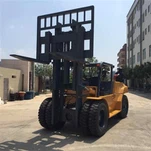
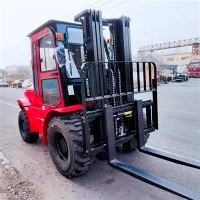
There is a massive push in the material handling industry toward electrification. If you are running a clean, indoor food warehousing operation, electric is the right choice. But step outside into a muddy lumber yard, a dusty stone quarry, or a coastal steel port, and the conversation changes immediately.
When the environment gets hostile and the loads get heavy, diesel forklifts remain the undisputed standard. Fleet managers and equipment dealers don't keep buying diesel machines out of habit; they buy them because of hard operational math. Here is a breakdown of the core advantages of diesel forklifts and why they are still the backbone of heavy outdoor logistics.
Massive Low-End Torque for Heavy Lifting

Electric motors are fast, but diesel engines are built for brute force. When you are trying to pry a 16-ton steel coil off a flatbed truck, or push the forks under a massive block of raw granite, you need raw hydraulic breakout force.
Diesel engines, particularly the heavy-duty Cummins and Weichai powerplants we use, produce their peak torque at low RPMs. This allows the operator to inch forward smoothly while applying maximum lifting power to the mast, without stalling or overheating the drivetrain. For heavy breakbulk and construction materials, this specific torque curve is a non-negotiable requirement.
Zero "Charging" Downtime
In a 24/7 port terminal or a peak-season agricultural hub, equipment downtime kills profit margins. This is where the diesel vs. electric debate often ends for heavy yard operators.
When a heavy-duty electric forklift runs out of battery, it sits at a charging station for hours. When a diesel forklift runs out of fuel, a mechanic drives a fuel cart over, pumps diesel into the tank for five minutes, and the machine goes right back to work. For operations running double or triple shifts, the continuous uptime provided by a simple combustion engine is a massive logistical advantage.
Built for Brutal Weather and Rough Terrain
A paved warehouse floor is very different from a rutted, rain-soaked dirt yard. Diesel forklifts are inherently designed for outdoor abuse.
They do not have massive, sensitive battery banks sitting low to the ground. You can drive a diesel lift truck through deep puddles, operate it in freezing winter snow storms, or run it through thick abrasive dust in a concrete precast yard without worrying about short-circuiting electrical components. Paired with large pneumatic tires and high ground clearance, a diesel machine simply ignores bad weather.

Lower Initial Capital Expenditure (CAPEX)
While electric machines save money on fuel over a 10-year period, their initial purchase price is significantly higher due to the cost of industrial lithium-ion battery packs and specialized charging infrastructure.
For many construction contractors, lumber yards, and equipment rental companies, tying up massive amounts of capital upfront doesn't make sense. Diesel forklifts offer a much lower barrier to entry. You buy the machine, you put fuel in it, and it starts generating ROI on day one without requiring you to rewire your entire facility for high-voltage chargers.
Our products

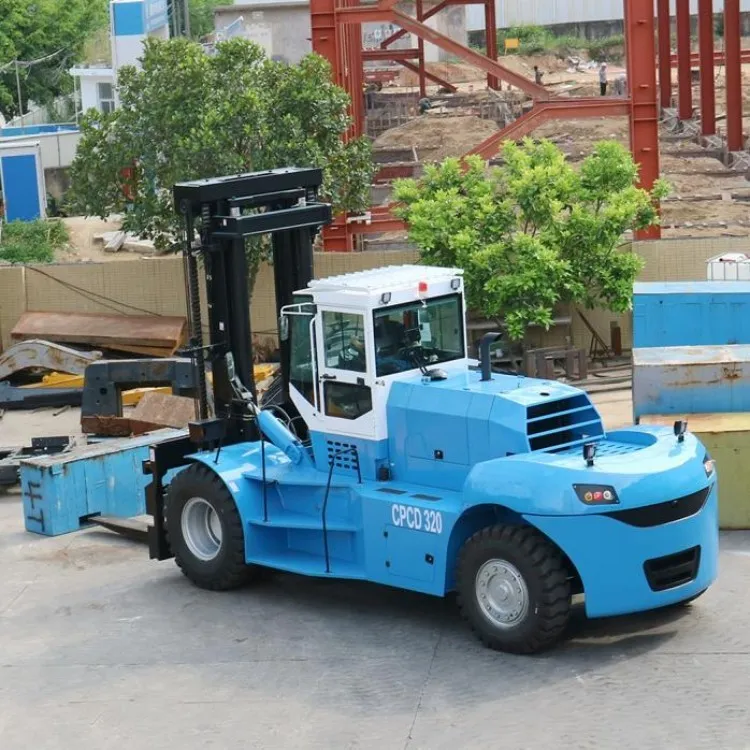
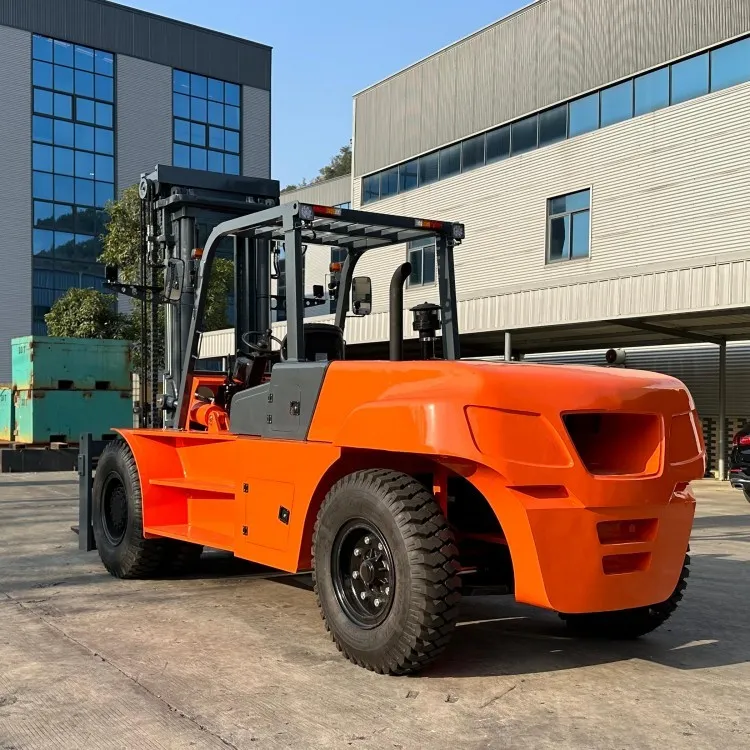
The Source for Diesel Fleet Upgrades
If you are an international equipment dealer, the brand on the side of the machine is only half the story; your acquisition cost dictates your survival.
We don't operate as a middleman trading company. Our facility is completely dedicated to the actual production and OEM/ODM export of heavy-duty material handling equipment. By sourcing your diesel fleet directly from our assembly lines, you secure protected wholesale pricing. Whether you need specific engine emission standards for your region or custom RAL paint to match your dealership's brand, we manufacture it directly at the source.
Need a machine that won't quit when the weather turns bad? Contact our engineering sales team today to discuss your yard's payload requirements and get a direct OEM quote on our diesel forklift lineup.