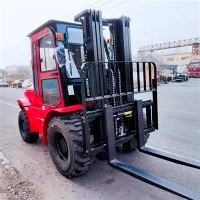
Basic operation steps of electric forklift
The following is the core process of electric forklift operation, which is compiled from authoritative and timely information:
I. Check before starting
Battery and hydraulic system: Confirm that the battery is fully charged (full) and the brake hydraulic pressure is marked to avoid electrolyte leakage caused by horizontal battery placement.
Key component inspection: Including tire pressure, hydraulic oil level, brake system and light signal.
Environmental safety: Observe that there are no obstacles around, and start after sounding the horn.
II. Start and preheating
Starting operation: Insert the key and turn it 45 degrees to start the engine. Some models need to pull up the red knob (if the ignition does not respond).
Preheating: Preheat for 5-10 minutes after starting to make the battery performance reach the best state.
Fork adjustment: Operate the multi-way valve to lift the fork to 15-20 cm above the ground, and tilt the mast backward to stabilize the load.
III. Driving and handling
Starting: Shift to low gear (forward/reverse), lift the clutch slightly and slowly step on the accelerator, keeping steady.
Directional control: The handle below the steering wheel controls the gear position (push forward to move forward, pull backward to move backward), and pay attention to the rear wheel rotation characteristics when steering.
Pick up and place goods:
Align the fork with the pallet hole, slowly drive in and lift the goods to a safe height (15-20 cm).
Keep a low speed when carrying and avoid sudden braking; when unloading, slowly lower the fork to 30-40 cm from the ground.
IV. Parking and closing
Returning operation: Put the fork on the ground, reset the gear position, and pull up the handbrake.
Turn off the power: Pull out the key and press the emergency stop button (some models need to turn off the additional switch). V. Safety precautions
Avoid overloading: Strictly abide by the load limit marked on the nameplate. Slope operation: Drive forward uphill and reverse downhill, using the regenerative braking function to recover energy.
Training requirements: Operators must pass professional training and assessment.