Introduction
Telehandlers, also known as telescopic handlers or boom lifts, are versatile heavy-lifting machines widely used in construction sites, warehouses, and logistics operations. Their ability to lift, extend, and maneuver loads at height and over obstacles makes them an indispensable solution for businesses handling heavy materials or containers.
For B2B buyers and procurement managers, understanding telehandler applications, operational advantages, and key selection criteria is essential for maximizing productivity, reducing operational risk, and ensuring long-term value.
1. What Is a Telehandler?
A telehandler combines the lifting capabilities of a forklift with the reach and height advantages of a crane. Key features include:
- Telescopic boom – extends forward and upward, allowing placement of loads at height or over obstacles.
- Heavy lifting capacity – typically ranges from 2 to 12 tons, depending on model.
- Versatile attachments – forks, buckets, winches, and lifting hooks enable handling diverse materials.
- All-terrain mobility – pneumatic tires, four-wheel drive, and robust suspension make them suitable for rough or uneven surfaces.
Telehandlers are particularly useful in applications where traditional forklifts cannot reach or cranes are impractical.
2. Applications in Construction
Telehandlers are widely used in construction due to their reach flexibility, load capacity, and maneuverability. Common scenarios include:
2.1 Material Placement
- Transporting heavy materials (pallets of bricks, blocks, steel beams) across uneven ground.
- Placing materials directly onto scaffolding, rooftops, or mezzanine levels.
- Reducing the need for manual handling, increasing safety and efficiency.
2.2 Lifting and Loading
- Loading and unloading construction trucks or containers on-site.
- Moving materials to precise locations even in confined spaces.
- Handling bulky items such as cement bags, roofing sheets, or prefabricated components.
2.3 Supporting Multi-Story Construction
- High-rise construction often requires moving loads to upper floors where standard forklifts cannot operate.
- Telehandlers with extendable booms and fork attachments can lift heavy loads directly to required height.

3. Applications in Logistics
In logistics operations, telehandlers provide a cost-effective solution for material handling, storage, and yard management. Typical use cases include:
3.1 Warehouse Operations
- Moving heavy pallets to high shelves where traditional forklifts cannot reach.
- Handling irregular or oversized loads with specialized attachments.
- Enhancing workflow efficiency in multi-level warehouses.
3.2 Container Handling
- Telehandlers can maneuver containers in yard operations, especially in tight or uneven spaces.
- Useful for temporary container stacking where reach stackers are not available.
- Reduces reliance on multiple handling machines for smaller logistics operations.
3.3 Loading and Unloading Trucks
- Telehandlers provide high lifting flexibility for trucks with varying bed heights.
- Fork attachments allow for rapid pallet movement, increasing throughput.
4. Advantages of Telehandlers
- Versatility – Single machine can perform multiple tasks with interchangeable attachments.
- Reach and Height Flexibility – Extended booms allow access to areas unreachable by forklifts.
- All-Terrain Operation – Four-wheel drive and high ground clearance support construction sites and outdoor logistics yards.
- Reduced Labor Costs – Less manual handling, faster placement, fewer machines needed.
- Safety – Operator cabins, stabilizers, and load monitoring systems reduce workplace accidents.
5. Key Selection Criteria for Buyers
When purchasing a telehandler, professional buyers should consider:
- Lifting Capacity – Ensure the machine can handle the heaviest load required.
- Maximum Lift Height – Determine the height needed for construction floors or warehouse shelves.
- Boom Reach – Evaluate forward reach for positioning loads over obstacles.
- Attachments Availability – Forks, buckets, winches, or specialized tools depending on tasks.
- Terrain and Mobility – Off-road tires, 4WD, and suspension suitable for yard or construction site conditions.
- Operational Environment – Indoor vs outdoor, weather exposure, and surface stability.
- Maintenance and After-Sales Support – Availability of spare parts, service network, and operator training.
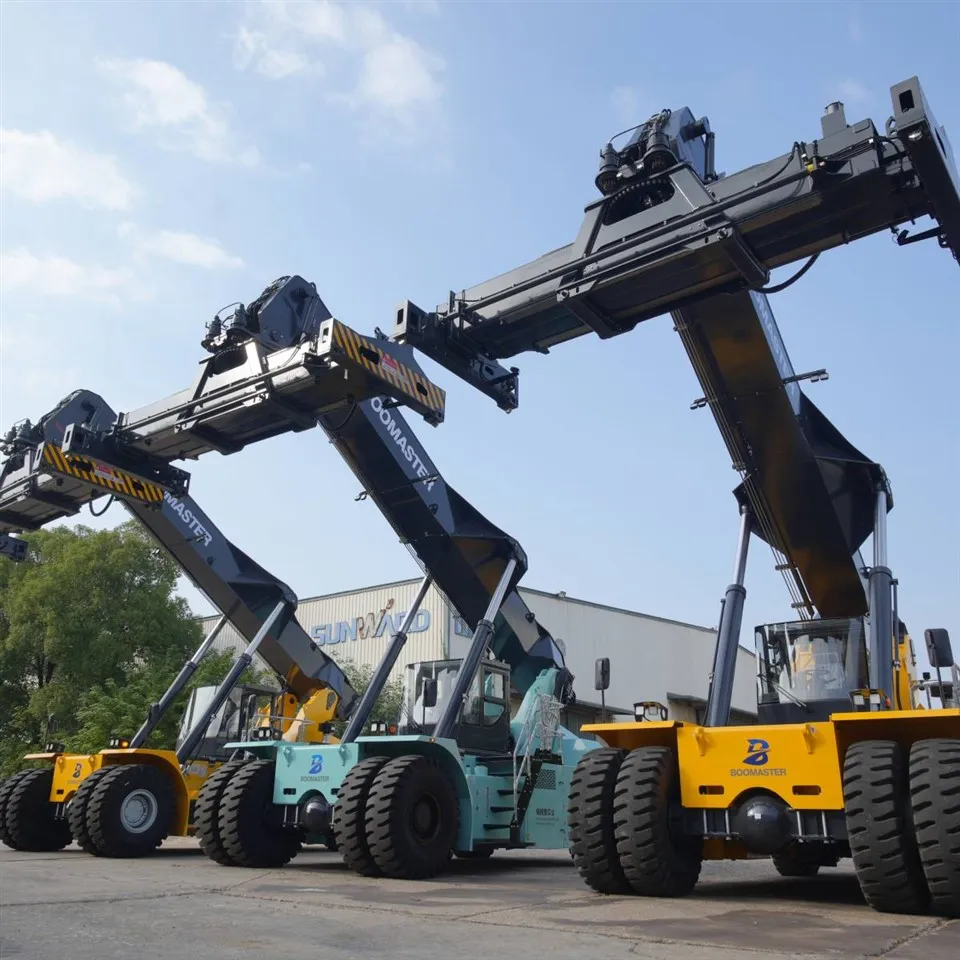
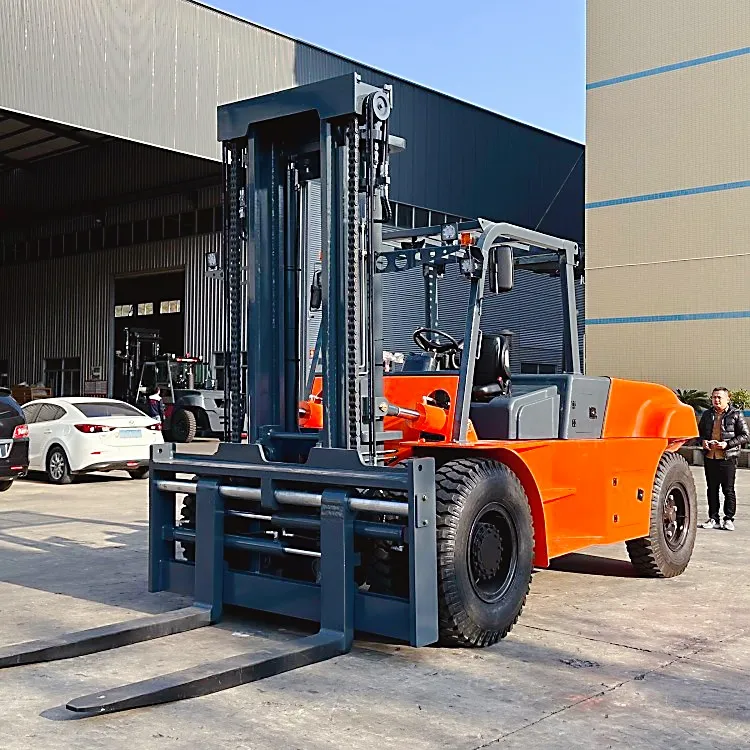
Telehandlers are often purchased alongside other heavy machinery, such as reach stackers, heavy forklifts, and cranes, to create a complete material handling solution.
Telehandlers are highly adaptable machines that bridge the gap between forklifts and cranes. In construction, they improve material placement, handling, and safety. In logistics, they enhance warehouse efficiency and container management.
For global buyers, selecting a telehandler that matches operational requirements, load capacity, terrain, and available attachments ensures maximum productivity, operational safety, and long-term ROI.
Next Steps for Buyers
Explore our Telehandler product page for available models, detailed specifications, and attachments.
Consult our team for advice on selecting the right telehandler for your construction site or logistics operation.